Commercial Pilots are the face of aviation, guiding aircraft safely across continents and oceans. With precision, leadership, and responsibility, they ensure every flight reaches its destination securely. Behind every successful journey is a skilled pilot—your training empowers you to take control of the skies and make air travel possible.
10+2 with Physics and Maths from a recognised board/university (or equivalent qualification as per DGCA norms).

10,000–11,000 new pilots
7,000–14,000 new AMEs/technicians
20,000–50,000 new cabin crew
230,000–312,000 new jobs for Ground staff + Airport management
Sources: Airports Authority of India (AAI) Annual Reports, Ministry of Civil Aviation (MoCA), India Brand Equity Foundation (IBEF), Boeing - Pilot & Technician Outlook, DPIIT, CAPA India.
India plans to develop around 220 airports nationwide
AAI is investing ₹25,000 crore in airport modernization over five years
Airport upgrades focus on capacity, safety, and passenger experience
Government has committed US$ 1.83 billion for aviation infrastructure by 2026
Airport expansion is reaching tier-2 and tier-3 cities across India
Sources: Airports Authority of India (AAI) Annual Reports, Ministry of Civil Aviation (MoCA), India Brand Equity Foundation (IBEF)
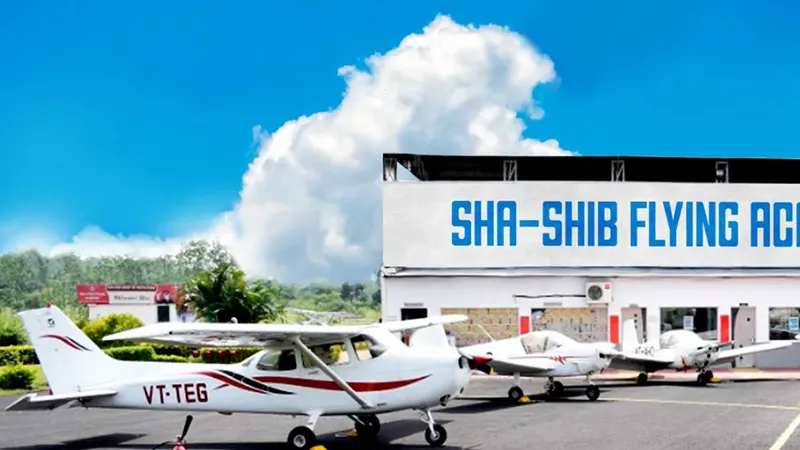
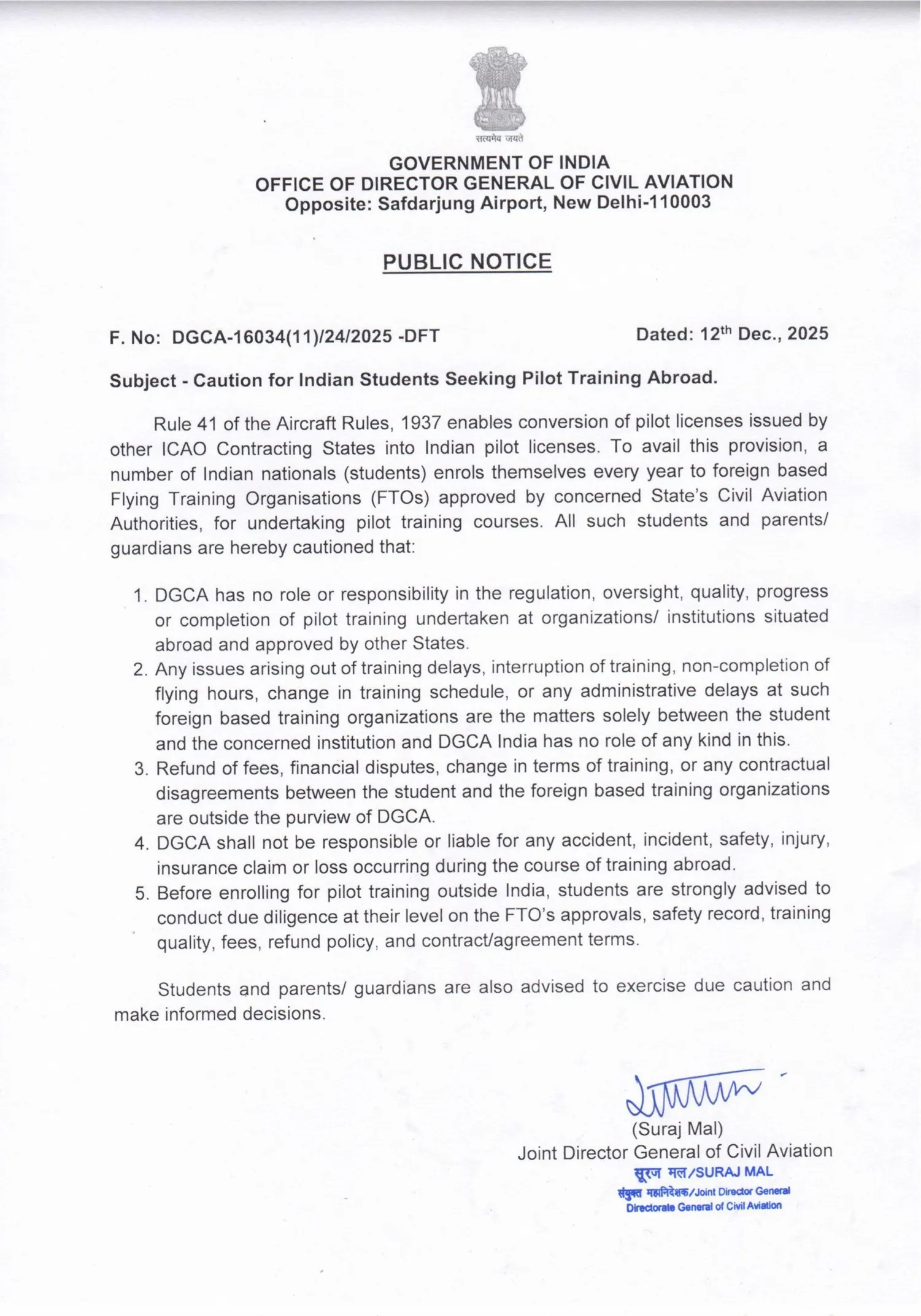
The SPL is your entry permit to flight training. Issued by the DGCA through a DGCA-approved Flying Training Organisation like Sha-Shib Flying Academy, it allows you to begin flying under the guidance and supervision of a certified instructor.
Covers Indian and international aviation laws, ICAO Annexes, rules of the air, and licensing requirements.
Involves flight planning, meteorology, chart reading, time calculations, radio aids (VOR, DME, ADF), and instruments.
Focuses on weather reports (METAR, TAF), clouds, pressure systems, and their impact on flight safety.
Covers aircraft systems, aerodynamics, piston/jet engines, and instrumentation.
Examines specific aircraft systems and performance parameters.
A crucial practical/written exam conducted for communication procedures.
You begin practical training and work toward a Private Pilot Licence (PPL). This phase builds your basic flying skills and confidence. You learn navigation, communication, and aircraft handling.
You must complete around 200 flight hours (as per current DGCA regulations), clear DGCA written exams in Air Regulations, Air Navigation, Aviation Meteorology, Aircraft Technical, and RTR (Radio Telephony), and hold a valid Class I Medical Certificate. Once you meet these requirements, you become legally eligible to work as a paid commercial pilot.
This stage turns your dream into a licensed profession
Pilot training doesn’t lead to one job, it opens a lifetime aviation career ladder
Type-rating + CPL = entry into airlines as a Co-Pilot on commercial aircraft.
With 1500+ flight hours, clear ATPL requirements, simulator checks, and airline assessments to become Captain.
Travel the world while building a respected global career
High earning potential with strong long-term growth
Prestige and professional recognition in the aviation industry
Advanced technology cockpit experience with dynamic, non-routine work
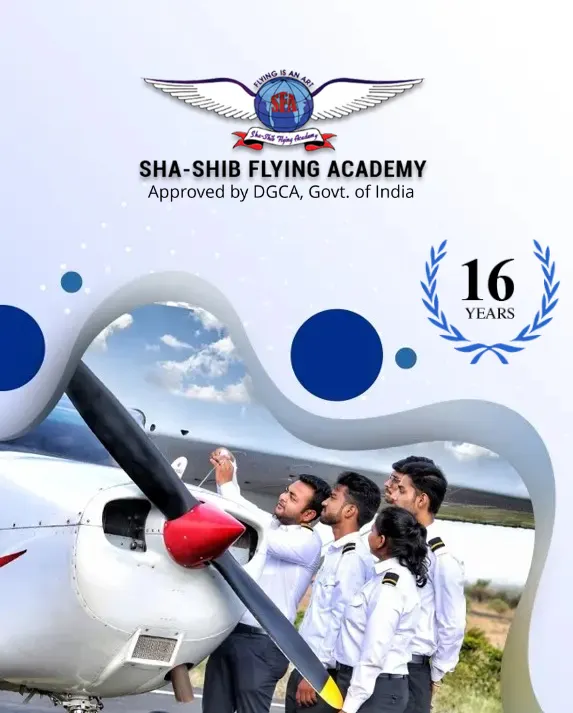
Located in Guna, the Sha-Shib Aviation Academy stands as India's premier DGCA-approved Aviation institute. Proudly affiliated with the esteemed Sha-Shib Group of Institutions, our institute thrives within the vibrant ecosystem of South Asia's largest training hub for AME and Pilot. With unwavering dedication, we nurture skilled aviation professionals, shaping the future of the industry.